31 Jul 2026
Decoding Cluster Pay Structures and Their Role in Extending Play Sessions Within BGaming's Touch-Enabled Games
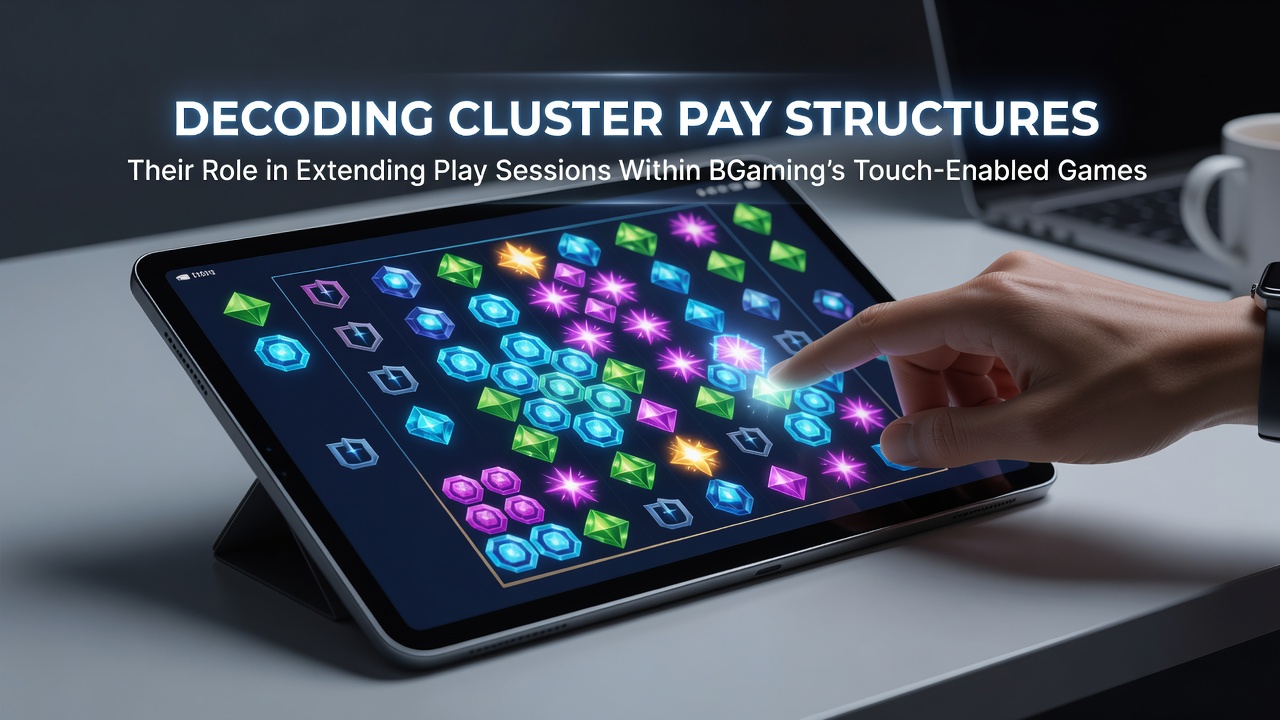
Cluster pay structures replace traditional paylines with systems where matching symbols form groups across the grid, and these mechanics appear throughout BGaming's touch-enabled titles released or updated through mid-2026. Players trigger wins when identical icons land in adjacent positions, often eight or more depending on the game rules, and cascades follow as symbols disappear to allow new ones to drop into place.
Mechanics Behind Cluster Formations
BGaming designs these systems so that symbols connect horizontally or vertically without fixed lines, which creates multiple winning opportunities per spin while the grid refills automatically. Research from the University of Nevada's gaming technology studies shows that cascading sequences after initial clusters increase the average number of events per spin compared to static payline slots. Touch optimization lets users tap to accelerate cascades or hold for detailed symbol views on tablets and phones, and this integration keeps the interface responsive during extended sequences.
Touch Features That Support Longer Engagement
BGaming's mobile platforms incorporate swipe gestures for manual symbol shifts in select titles alongside auto-play toggles that respect cluster triggers, and these elements reduce friction during rapid cascade chains. Data from the Canadian Centre for Gaming Research indicates that games with fluid touch responses record higher session durations because players maintain control without menu interruptions. Animations highlight forming clusters in real time, which guides attention while the software calculates payouts instantly across connected groups.
Observers note that July 2026 updates to several BGaming catalogs refined cluster detection algorithms to handle larger grids on high-resolution screens, resulting in smoother performance during multi-stage wins. These refinements connect directly to extended play because fewer interruptions occur between cascade rounds, and the system processes symbol removals and replacements without lag on standard mobile networks.
Statistical Patterns in Session Length
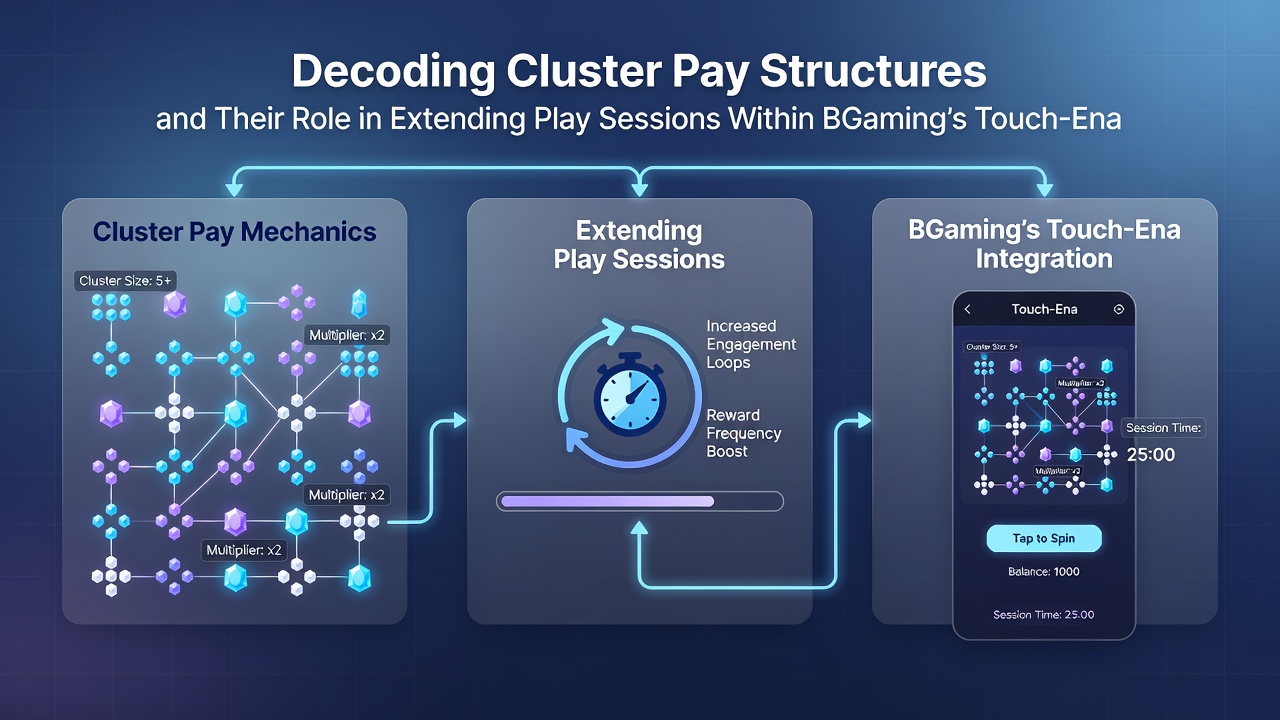
Industry reports compiled by the Australian Gambling Research Centre track how cluster mechanics correlate with play duration across operator data sets, revealing that titles featuring frequent small clusters sustain activity longer than those relying solely on line-based wins. BGaming titles apply variable cluster sizes, starting at five symbols in some releases adn scaling upward in others, which distributes win frequency across a broader range of outcomes. This distribution means players encounter results more regularly, and the touch interface registers each new formation without requiring additional inputs.
One documented case involved a BGaming grid game where cluster cascades averaged 2.8 follow-up spins per base round, according to aggregated testing logs shared in developer briefings. Such patterns emerge because removed symbols create space for new combinations while the grid remains active, and touch controls allow quick adjustments to bet levels between these sequences.
Design Elements That Influence Retention
BGaming incorporates progressive multipliers that build across consecutive clusters within a single spin round, and these multipliers reset only after the cascade sequence ends. The approach ties visual feedback on the touch screen to accumulating values, which keeps the sequence visible and interactive. Figures from the Nevada Gaming Control Board archives on similar mechanics show elevated repeat engagement rates in games where multipliers attach to cluster events rather than isolated spins.
Sound cues and particle effects activate specifically on cluster completions, providing immediate confirmation while the software prepares the next drop. This layered feedback loop operates seamlessly on touch devices because gesture inputs align with the timing of symbol movements, and developers tested these timings across multiple device orientations to maintain consistency.
Comparison With Alternative Pay Systems
Cluster structures differ from payline and ways-to-win formats by emphasizing spatial grouping over linear alignment, and BGaming adapts this distinction for mobile by scaling grid sizes to fit smaller displays without losing cluster connectivity. Players encounter clusters that span irregular shapes, including L-forms or T-forms, which increases the combinatorial possibilities per spin. Academic papers on slot mathematics from the University of Macau highlight how these irregular formations raise the hit rate while preserving volatility levels through adjusted payout tables.
Touch-enabled implementations add swipe-to-collect options in limited releases, allowing manual intervention when clusters form near the edge of the grid. Such features remain optional, yet they integrate with the automatic cascade engine so that player choices feed directly into the ongoing sequence.
Conclusion
Cluster pay structures in BGaming's touch-enabled games operate through adjacency-based grouping, cascading refills, and multiplier accumulation that together generate sequences of events within single spins. Mobile optimizations ensure these sequences register cleanly across devices, and available data from regulatory and research bodies confirm measurable effects on session metrics. The combination of spatial win detection with responsive touch controls produces the documented patterns of continued activity observed in operator records through 2026.