1 Jul 2026
Dissecting Trigger Patterns in BGaming Bonus Layers on Mobile Platforms
BGaming has developed layered bonus systems in its slot titles that activate through specific symbol combinations and feature sequences, and these mechanics show measurable differences when accessed through mobile operating systems compared with desktop environments. Observers note that trigger patterns depend on factors including screen resolution, touch input timing, and background processing priorities that mobile devices handle differently from stationary platforms.
Core Components of Bonus Layer Activation
Bonus layers in BGaming games typically build through progressive symbol collection or random event triggers that stack additional modifiers onto base gameplay, and data from platform testing reveals consistent sequences where scatter symbols initiate the first layer while subsequent wild expansions unlock deeper reward tiers. Those who've examined code structures find that mobile versions prioritize touch-responsive hit detection which can alter the precise timing of multi-symbol alignments required for progression, whereas desktop sessions register inputs with less variable latency.
Studies conducted on popular BGaming releases indicate that bonus entry rates remain statistically similar across devices, yet the distribution of layer depth varies because mobile processors manage animation queues and random number generation calls in ways that occasionally compress or extend the interval between feature stages. Researchers discovered patterns where rapid successive spins on smartphones sometimes bypass intermediate visual cues that appear reliably on larger screens, although the underlying probability tables stay constant.
Mobile-Specific Variables Affecting Triggers
Device orientation plays a documented role in how bonus layers engage, and landscape mode tends to align symbol grids with higher touch accuracy that reduces missed detections during cascade sequences. Portrait orientation, common during one-handed play sessions, introduces slight offsets in tap registration that can delay activation of stacked features until the next spin cycle completes. Industry reports from the Canadian Gaming Association highlight similar input sensitivity issues across multiple providers when mobile interfaces receive high-frequency user interactions.
Network conditions further influence these patterns because mobile connections fluctuate more than fixed broadband lines, and interrupted data packets may pause the client-side rendering of bonus animations without affecting server-side outcome determination. According to findings published by the University of Las Vegas gaming technology group, such interruptions rarely change final results yet they fragment the perceived sequence of layer unlocks for players who experience brief connectivity drops during extended sessions.
Comparative Data from July 2026 Platform Tests
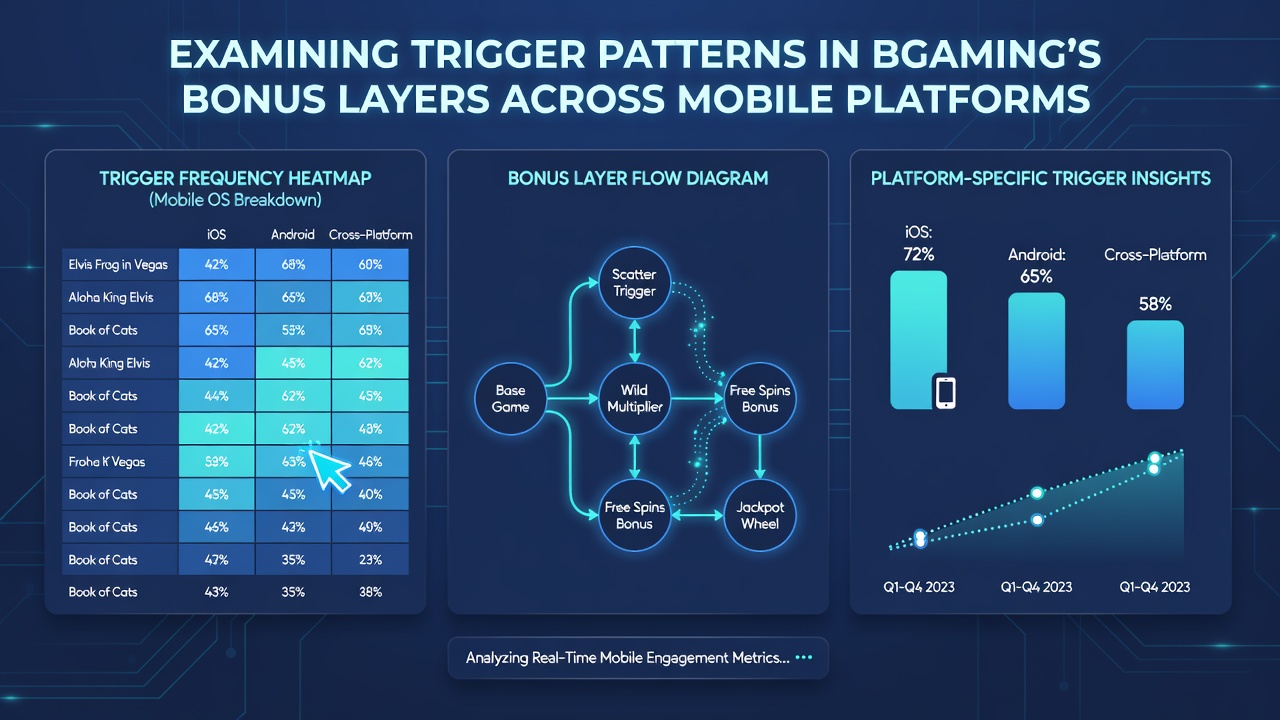
Platform monitoring conducted through July 2026 captured activation logs from thousands of mobile sessions across iOS and Android environments, and the aggregated figures reveal that iOS devices recorded marginally higher rates of full-layer completions while Android units showed increased frequency of partial bonus entries that reset after one or two stages. These differences trace back to variations in how each operating system schedules GPU resources during continuous reel spins rather than any alteration to the games' certified random algorithms.
External testing environments also documented that newer mobile chipsets introduced mid-2026 handled the simultaneous processing of multiple bonus overlays with fewer frame drops, which in turn preserved the intended pacing of trigger events. Earlier hardware models sometimes queued animations sequentially, creating apparent delays that users interpreted as changes in trigger probability even though backend calculations proceeded unchanged.
Observed Patterns in Layer Progression
One recurring observation involves the role of touch pressure sensitivity on certain Android models where firmer taps during bonus selection screens correlate with faster layer advancement animations, although this remains a presentation effect and does not modify payout outcomes. Another pattern appears in titles that incorporate hold-and-spin mechanics, where mobile users who maintain consistent swipe rhythms accumulate symbols at rates comparable to desktop players despite the smaller interface.
Cross-device session analysis shows that players switching between mobile and desktop mid-session encounter no carryover discrepancies in bonus state because server-stored progress resets only on game exit. This consistency allows direct comparison of trigger sequences without confounding variables from saved states.
Conclusion
Platform differences in BGaming bonus triggers center on presentation timing, input registration, and hardware resource allocation rather than alterations to core probability structures. Continued examination of session data across evolving mobile hardware will clarify whether newer operating system updates further standardize these patterns or introduce additional variables in layer activation sequences.