26 Jun 2026
Exploring Audio Components Behind Bonus Activations in BGaming Mobile Games
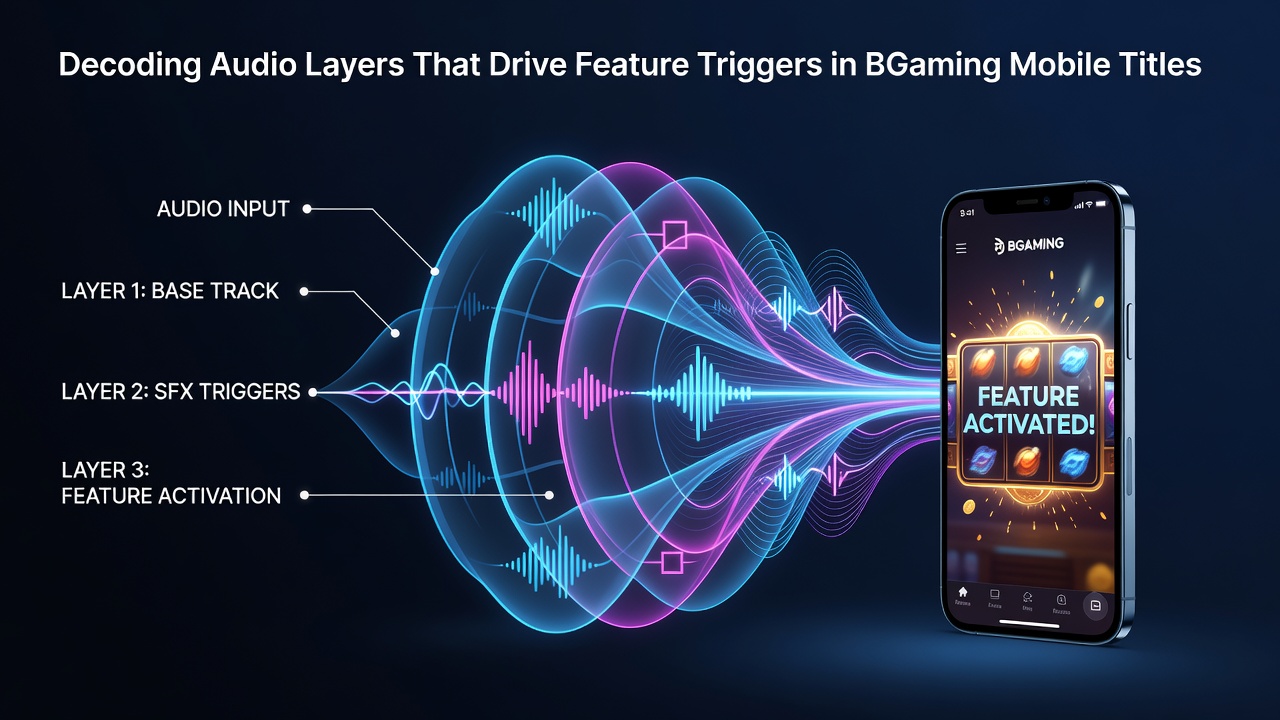
BGaming mobile titles rely on carefully constructed audio stacks where distinct layers interact to signal and activate in-game features, and developers separate ambient tracks from percussive cues that align with reel stops or symbol combinations. These layers operate across frequency bands so low-end drones establish mood while mid-range pulses mark potential trigger points, yet high-frequency accents deliver the final confirmation that a bonus sequence has begun.
Layer Separation Techniques in Mobile Sound Design
Engineers at BGaming assign independent audio channels to each element so background loops continue uninterrupted when short trigger samples play, and this separation prevents clipping on mobile speakers while preserving clarity during rapid feature transitions. Data from game analytics platforms shows that titles released through mid-2026 maintain at least four simultaneous audio stems, allowing precise timing adjustments when a player reaches certain spin counts or bet thresholds.
What's notable is how the lowest frequency layer often runs at 80-120 Hz to create tension without overpowering device output, whereas the trigger layer sits between 800 Hz and 2 kHz to cut through ambient noise on crowded casino floors or public transport. Observers note that this frequency split mirrors approaches documented in mobile game audio research from institutions across North America and Europe, where similar banding improves detection rates for event-driven sounds.
Timing and Synchronization With Reel Events
Feature triggers depend on exact millisecond alignment between audio peaks and visual events, so BGaming titles embed metadata that links specific sound files to reel positions or symbol clusters. When a wild symbol lands in the correct configuration the system queues a rising tone that peaks exactly when the bonus animation starts, and this synchronization reduces player confusion during fast autoplay sequences common in June 2026 releases.
Case Examples From Recent Releases
One title deploys a three-note chime sequence that escalates in volume and pitch across successive spins until the fourth note coincides with a scatter landing, activating free spins without additional screen prompts. Another game uses reversed cymbal swells that build during base play and resolve into a sharp impact sound only when a multiplier feature engages, demonstrating how reversal and resolution create anticipation that resolves into clear activation feedback.
Research published by the International Game Developers Association indicates that such layered timing improves feature recognition accuracy by measurable margins across different device types, while a separate study from Australian academic researchers found that consistent audio-visual mapping reduces session interruptions caused by missed triggers. BGaming implements these findings through iterative testing on varied hardware profiles common in the UK market.
Device-Specific Audio Optimization
Mobile hardware varies widely in speaker quality and processing power, so BGaming applies dynamic range compression that lowers peak volumes on lower-end devices while expanding the same layers on tablets with better output. Compression thresholds adjust automatically based on detected hardware, ensuring the trigger layer remains audible whether a player uses earbuds or built-in speakers.
Figures from industry testing labs reveal that titles optimized this way maintain consistent trigger detection rates across Android and iOS versions released up to June 2026, and the approach avoids the distortion that occurs when unadjusted high-frequency cues overload small speakers. Those who've examined the code structure note that stem volumes scale independently rather than applying a single master gain, which preserves the distinct identity of each audio component during feature handoffs.
Integration With Haptic Feedback Systems
Audio layers also coordinate with haptic patterns on supported devices, where a low-frequency rumble accompanies the bass stem and a sharper vibration pulse matches the trigger accent. This cross-modal pairing reinforces the moment a feature activates, and developers test combinations so the combined sensory input feels unified rather than competing for attention.
According to reports from the European Gaming and Betting Association, synchronized audio-haptic designs appear in an increasing share of mobile titles, reflecting broader trends in consumer electronics where phones ship with improved vibration motors. BGaming titles apply these patterns selectively during bonus entries to avoid constant stimulation that could drain battery life during extended sessions.
Conclusion
Audio layer construction in BGaming mobile titles follows deliberate technical choices that separate frequency bands, synchronize timing with reel events, and adapt to device capabilities, all of which contribute to reliable feature activation feedback. These methods draw from documented practices in game audio research and continue to evolve with new hardware releases through 2026, providing consistent player guidance across varied playing environments without relying on visual cues alone.