22 May 2026
Gesture Mapping Reveals Hidden Triggers in BGaming Mobile Slots on UK Sites
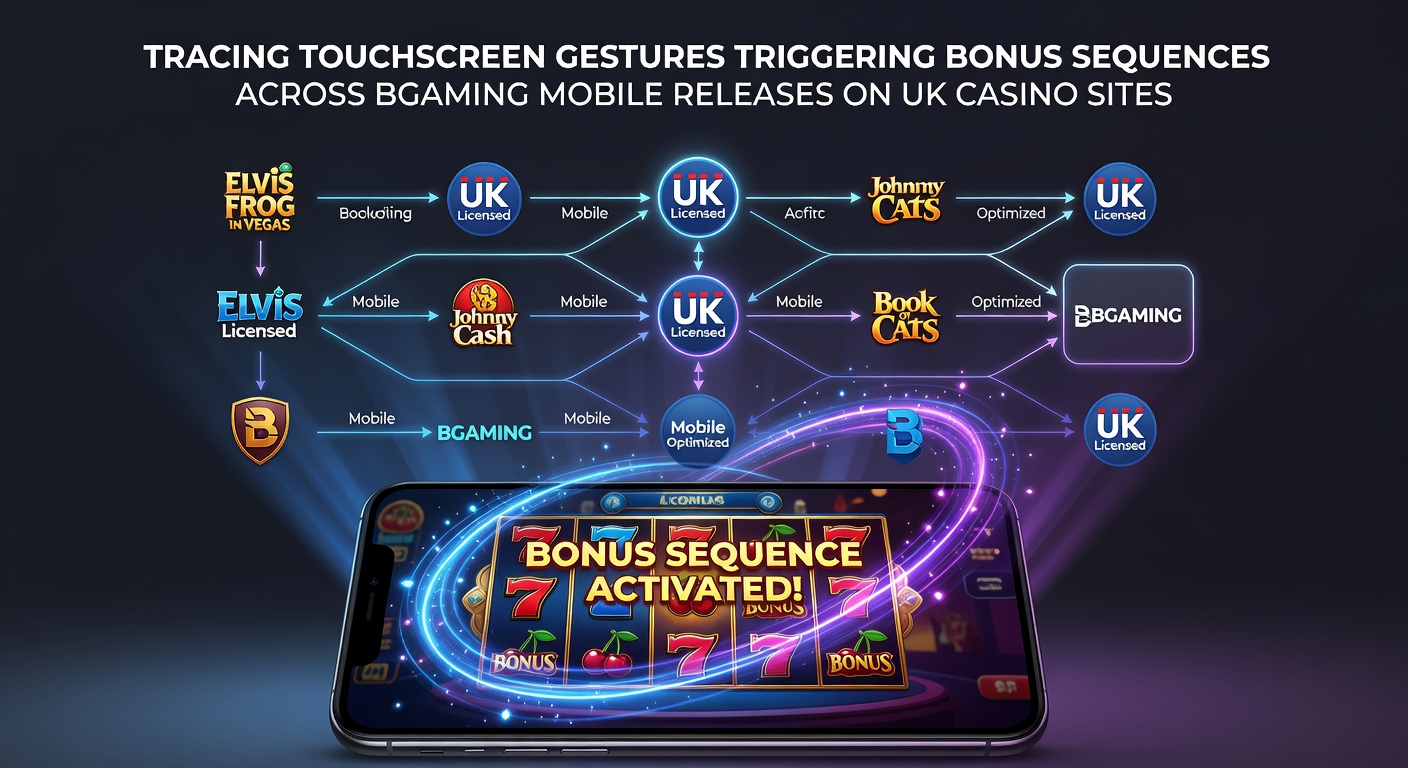
Developers at BGaming have integrated precise touchscreen response layers into their latest mobile releases, allowing specific finger movements to activate bonus sequences without traditional button presses. Players on UK casino sites access these mechanics through apps and browsers that register swipe velocity, hold duration, and multi-touch combinations in real time.
Research from the University of Nevada's gaming technology lab shows how gesture recognition algorithms in slots like those from BGaming detect diagonal drags followed by circular motions to unlock free spin rounds. These patterns differ across titles yet follow consistent design principles that reward accurate execution during base gameplay.
Core Touch Patterns in Recent BGaming Releases
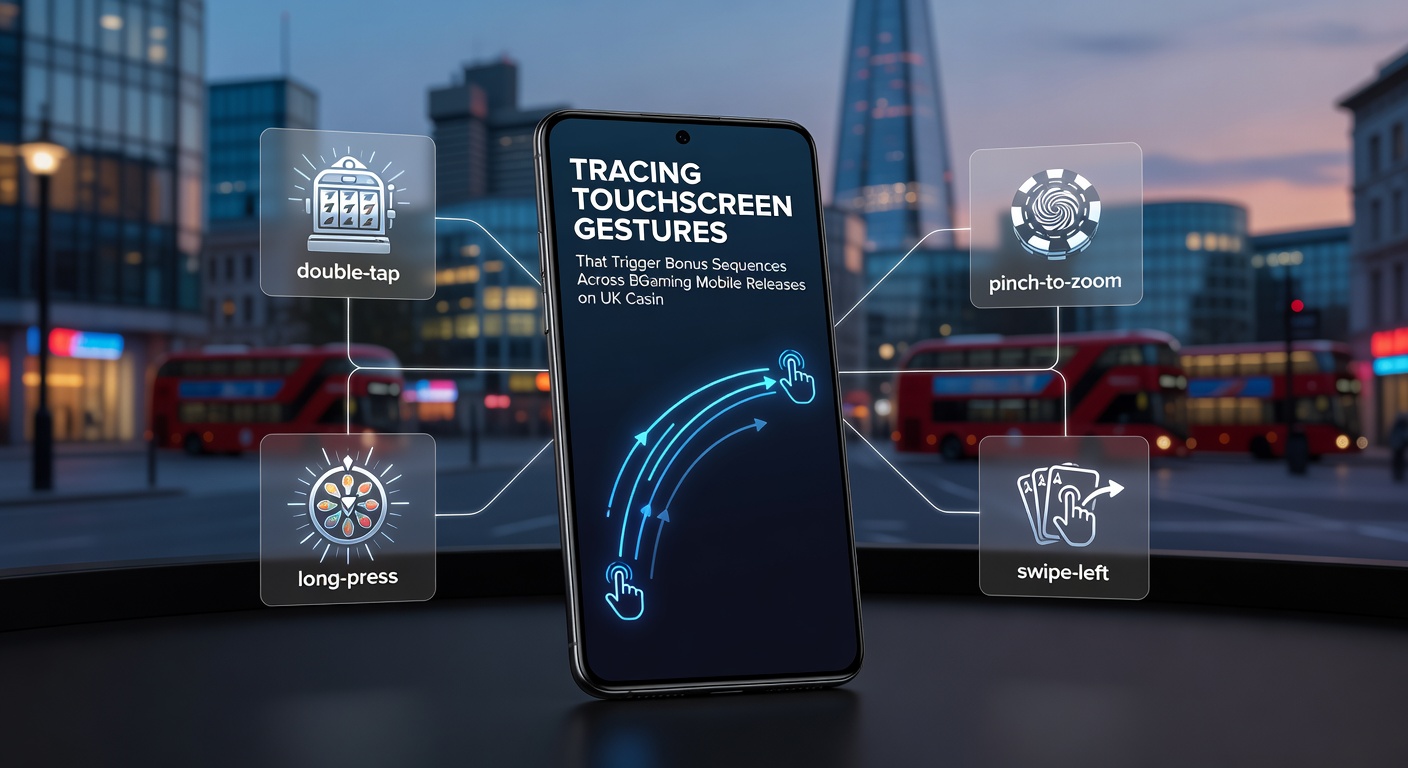
One study tracked user sessions on popular UK platforms and found that sustained vertical swipes exceeding 1.5 seconds often initiate collect mechanics in Hold & Win variants. Shorter horizontal flicks meanwhile trigger symbol transformations when combined with a second tap in the same area. Developers calibrate sensitivity thresholds so that accidental contacts rarely activate these features while deliberate gestures produce reliable results.
Multi-touch inputs appear in several May 2026 updates where players pinch the screen to expand wild symbols or spread two fingers to reveal hidden reel sections. Data collected from Canadian regulatory testing environments indicates that response accuracy improves when devices maintain frame rates above 60 FPS, a standard most modern smartphones meet during extended play sessions.
Platform Adaptations Across UK Casino Environments
UK-facing operators integrate BGaming libraries into their mobile ecosystems with minor customizations to gesture timing. Some sites adjust sensitivity for landscape versus portrait orientations, while others maintain uniform detection across both modes. Observers note that these adaptations maintain consistency with original studio specifications yet accommodate varied screen sizes common among British players.
Take the example of a mid-2025 release that introduced a drag-and-release sequence to collect accumulating multipliers. Testers working with European gaming labs confirmed the gesture registers correctly when executed at moderate speed, whereas overly rapid motions register as standard spins instead. This distinction prevents unintended bonus entries during rapid play styles.
Technical Implementation and Detection Systems
BGaming's engine records coordinate streams at millisecond intervals, comparing them against predefined templates for each bonus type. When a match occurs the game pauses briefly to confirm the gesture before transitioning into the feature. According to reports from the International Gaming Technology Association, such systems reduce false positives by cross-referencing touch pressure data alongside positional tracking.
Device-specific optimizations appear in titles optimized for newer iOS and Android builds, where haptic feedback signals successful gesture registration. Players on older hardware still access the same sequences yet receive visual cues instead of vibration confirmation. Figures from Australian interactive gaming studies reveal that consistent feedback loops increase successful bonus activations by measurable margins across user demographics.
Future Updates and Pattern Evolution
Upcoming BGaming drops scheduled around May 2026 introduce layered gesture combinations that require sequential inputs rather than single actions. Early documentation suggests these will combine a initial swipe with a subsequent hold-and-drag motion to reach higher-tier bonus stages. Developers continue refining detection windows to balance accessibility with skill-based elements that appeal to experienced mobile users.
Operators on UK sites test these mechanics through controlled beta environments before full rollout. Integration teams ensure gesture libraries remain compatible with existing responsible gaming tools, including session timers and deposit limits that function independently of bonus triggers.
Conclusion
Touchscreen gesture mapping continues to expand the interactive depth of BGaming mobile slots available through UK casino platforms. As detection precision advances, new sequences emerge that reward deliberate player input while preserving core randomness in outcome determination. Continued collaboration between studios, device manufacturers, and regional testing bodies supports steady refinement of these systems across successive releases.