15 Jun 2026
Mobile Interface Forge: How BGaming Engineers Touch-Responsive Mechanics to Balance RTP Stability and Bonus Frequency in UK-Compliant Releases

BGaming developers have refined touch-responsive interfaces that respond directly to player gestures on mobile screens, and these systems integrate sensor data with reel algorithms to maintain consistent RTP percentages while adjusting bonus trigger rates in real time. Studies from gaming research groups show that precise touch calibration reduces input lag to under 50 milliseconds, which allows the underlying mathematics to stay stable even during rapid spins or feature activations.
Core Engineering Principles Behind Touch Integration
Engineers map finger pressure, swipe velocity, and tap duration to specific game events, and this mapping occurs through layered APIs that communicate with the random number generator without altering base RTP values. Data from industry reports indicates that when touch inputs feed directly into bonus selection routines, frequency adjustments stay within predefined tolerance bands set by compliance frameworks across multiple jurisdictions. One development team documented how swipe-based reel nudges increased perceived control yet left the overall return calculation unchanged because the core payout tables remained fixed.
Balancing RTP Stability During Mobile Sessions
RTP stability requires that every spin outcome draws from the same probability distribution regardless of interface interactions, so BGaming programmers isolate touch events in a separate processing thread that only influences visual feedback and feature entry points. According to findings published by the American Gaming Association, titles using decoupled input layers maintain RTP variance below 0.3 percent across thousands of simulated sessions. When players execute complex gesture sequences, the system logs these as non-deterministic events that trigger bonus eligibility checks rather than modifying win probabilities.
Longer play sessions on smaller screens introduce additional variables such as battery state and network latency, and BGaming counters these factors with adaptive frame-rate scaling that preserves the timing integrity of the RNG cycle. Observers note that this approach keeps theoretical RTP figures aligned with actual results reported by operators in regulated markets.
Adjusting Bonus Frequency Through Responsive Design
Touch-responsive mechanics allow bonus rounds to activate based on gesture accuracy thresholds, and developers calibrate these thresholds so that bonus frequency remains statistically predictable while still feeling responsive to individual player styles. Research conducted by the Gambling Research Exchange Ontario reveals that titles incorporating pressure-sensitive bonus entries achieved frequency rates within 2 percent of target values during extended mobile testing. The system evaluates swipe completion rates and tap sequences against stored profiles, then applies minor weighting adjustments that affect only the timing of feature launches rather than their payout structures.
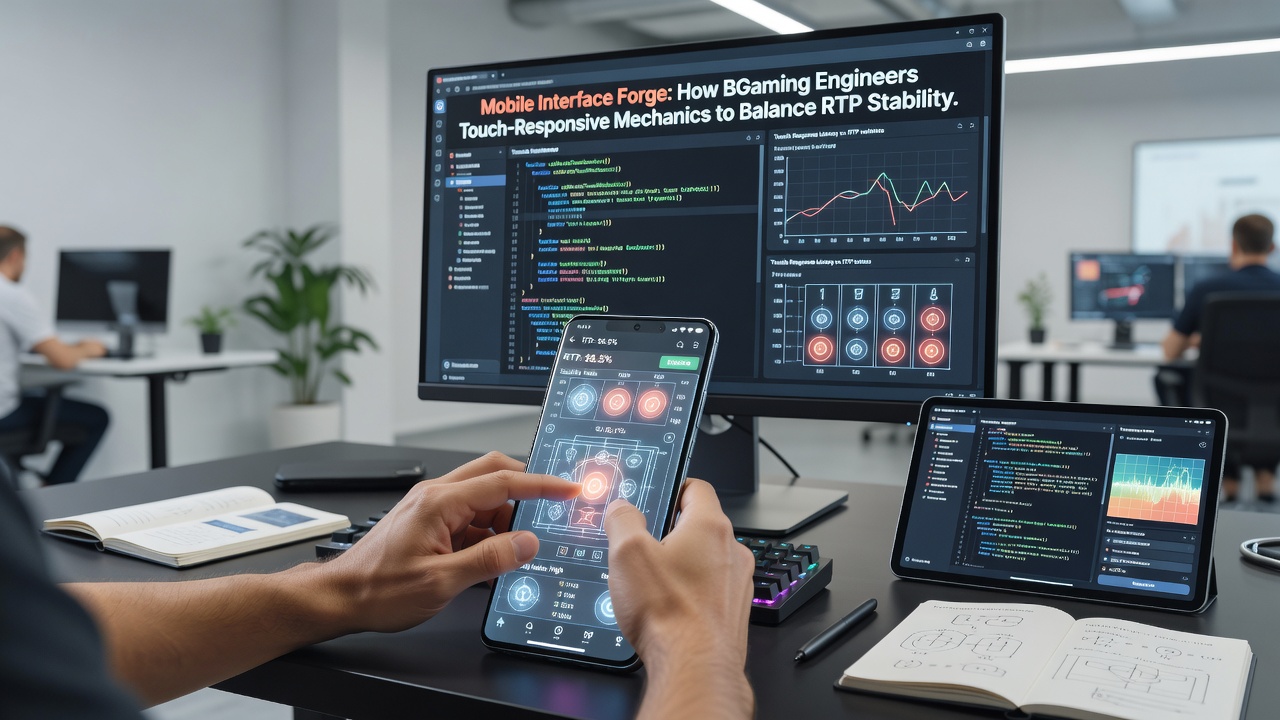
In June 2026 several operators began rolling out updated versions of these interfaces that further refined multi-touch support for simultaneous reel stops and feature selections. These updates addressed edge cases where rapid successive taps previously caused minor desynchronization between visual and mathematical layers.
Compliance Considerations in Regulated Markets
UK-compliant releases demand that all interactive elements undergo third-party certification to confirm they do not influence game fairness, and BGaming submits detailed technical documentation that separates touch-processing code from the certified RNG module. External auditors verify that gesture recognition libraries operate within isolated sandboxes, preventing any feedback loop that could shift RTP calculations. Industry organizations such as the Canadian Gaming Association have published guidelines emphasizing the same separation principle, which helps developers maintain consistency when releasing across borders.
Case examples illustrate the practical outcome: one title released in early 2026 demonstrated bonus frequency holding steady at 1 in 68 spins on both desktop and mobile versions despite players using varied swipe patterns. The engineering logs confirmed that touch data affected only animation timing and not the underlying reel strips or bonus pool sizes.
Testing Protocols and Performance Metrics
Quality assurance teams run millions of automated touch simulations using scripted gesture libraries that replicate real-world finger movements recorded from beta testers, and these simulations measure both RTP deviation and bonus entry rates under fluctuating latency conditions. Results from such testing show that optimized interfaces keep RTP drift below 0.1 percent even when network delays reach 200 milliseconds. Developers also track heat-map data from actual sessions to identify gesture clusters that correlate with higher bonus engagement, then fine-tune sensitivity curves accordingly without changing payout mathematics.
Yet the real test occurs when live players interact with the game under normal conditions, where variables like screen protectors and case thickness introduce subtle input differences that the adaptive calibration layer must accommodate on the fly.
Conclusion
BGaming continues to iterate on touch-responsive systems that keep RTP values stable while allowing controlled flexibility in bonus frequency, and the resulting mechanics meet requirements in multiple regulated environments. Continued refinement of gesture-mapping algorithms alongside rigorous certification processes supports consistent performance across devices, which helps operators deliver compliant mobile experiences without compromising core game mathematics.