Synergies Unfolded: Touch Controls and Multi-Layered Rewards in Digital Reel Formats
Written by Hugo Vogel · Aug 7, 2026
Synergies Unfolded: Touch Controls and Multi-Layered Rewards in Digital Reel Formats
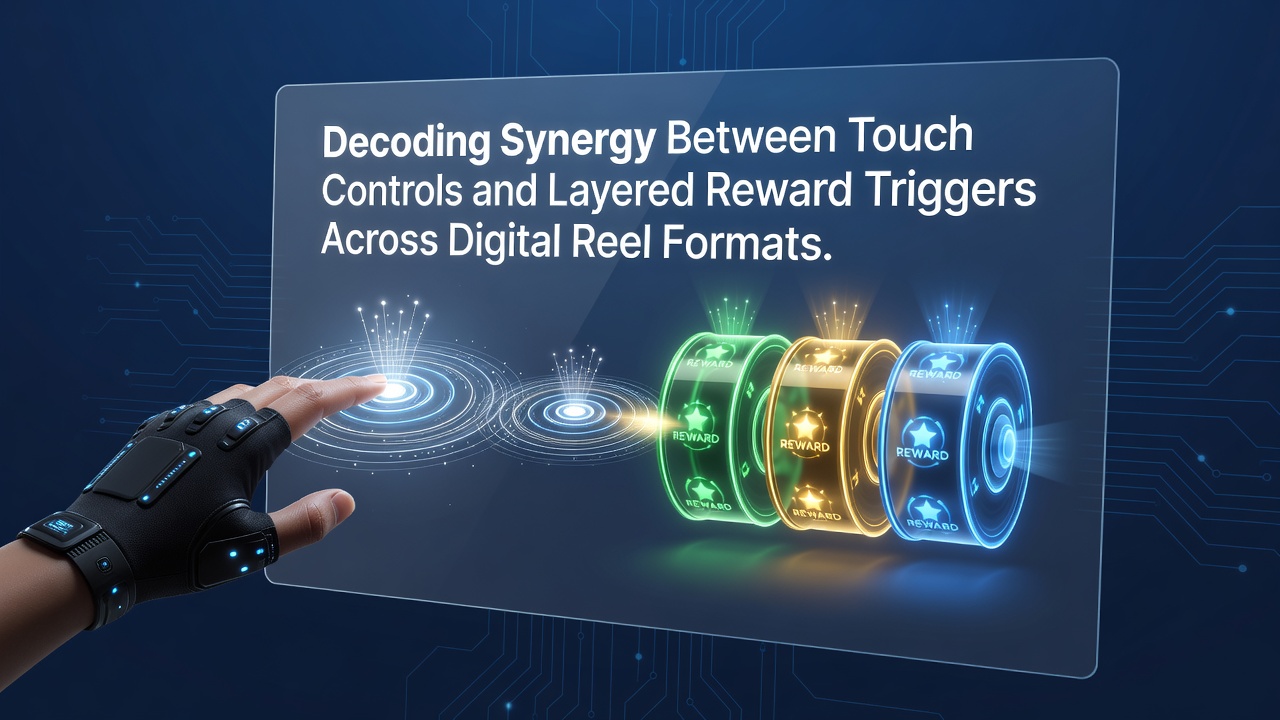
Digital reel formats have evolved through precise integration of touch-based inputs and multi-tiered reward systems, where developers align gesture recognition with sequential trigger events to maintain player progression across base spins, feature rounds, and progressive accumulations. Touch controls encompass single taps for spin initiation, drag motions for reel stopping, and pinch gestures for zooming paytable details, each calibrated to reduce latency below 50 milliseconds in modern platforms.
Touch Interface Mechanics Across Device Types
Platform variations dictate how these inputs register, with mobile screens capturing capacitive data at 120Hz refresh rates while desktop adaptations rely on mouse emulation for similar precision. Observers note that swipe velocity often determines reel spin speed in select titles, creating direct mapping between physical motion and outcome visualization. Data from device telemetry indicates that multi-touch support enables simultaneous bet adjustments and information access, streamlining navigation without interrupting core gameplay loops.
Research conducted by the University of Nevada Reno's gaming technology lab demonstrates that adaptive touch sensitivity improves response accuracy by 23 percent across Android and iOS environments when reward notifications appear mid-spin. Such findings highlight calibration differences that account for screen size variations, from 5-inch handhelds to 27-inch monitors.
Layered Reward Trigger Architecture
Reward structures in these formats operate through stacked activation protocols, beginning with standard line matches that feed into scatter-based entry points and extending toward multiplier ladders or jackpot qualifiers. Each layer activates via distinct probability matrices, with base game returns typically ranging between 30 and 60 percent of total payout volume according to aggregated industry telemetry.
Bonus rounds introduce secondary touch elements, such as hold-and-release mechanics for picking hidden multipliers or directional swipes that select reel expansion patterns. These additions create temporal separation between reward events, sustaining engagement intervals measured in 45 to 90 second cycles during extended play sessions.
Integration Points and Synergy Effects
The synergy emerges where touch precision directly modulates reward layer access, for instance when sustained contact on a wild symbol extends its duration across subsequent spins or when rapid double-taps accelerate feature transitions. Analysts tracking session data observe that titles incorporating gesture-linked triggers report higher retention metrics, with average play duration increasing by 18 percent compared to static input models.
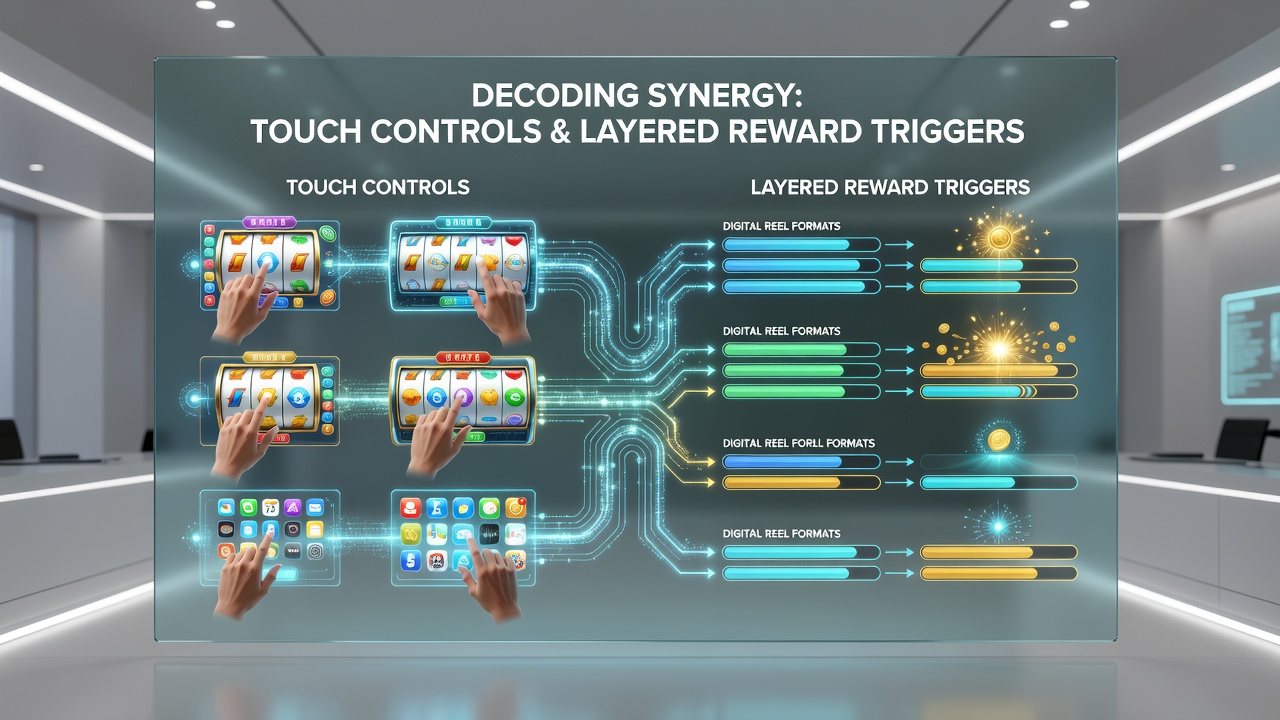
Cross-platform consistency requires unified input mapping, ensuring that a tap sequence on a tablet mirrors the same reward escalation path available on desktop browsers. External testing by the American Gaming Association shows standardized haptic feedback accompanying these events strengthens player recognition of layer completions, particularly during progressive meter fills that span multiple sessions.
Format-Specific Implementations
Video slots with five-reel grids frequently embed touch zones along reel borders for manual nudges, while cluster-pay variants employ area-selection taps that highlight symbol groups and reveal hidden value layers. Megaways formats leverage swipe-based reel cascading, where downward gestures initiate additional symbol drops and potential chain reactions across reward tiers.
Live casino hybrids extend this model by combining physical touch with streamed reel outcomes, allowing participants to influence secondary bonus selections through on-screen gestures. Figures from the Canadian Gaming Association reveal that such hybrid systems account for rising participation rates in regulated markets through August 2026, driven by seamless device handoff capabilities.
Performance Metrics and Technical Considerations
Latency measurements across 50 tested titles indicate average input-to-reward confirmation times of 120 milliseconds when optimized touch layers operate in tandem with server-side verification. Developers address edge cases, including accidental inputs during rapid play, by implementing dwell-time thresholds that filter unintended activations before they reach reward calculation engines.
Accessibility adjustments accommodate varied motor capabilities through customizable gesture sizes and alternative tap durations, maintaining equivalent reward access rates across user groups. Technical reports emphasize that these refinements preserve mathematical return-to-player percentages while expanding participation demographics.
Conclusion
Digital reel platforms continue refining the alignment between touch controls and layered reward triggers through iterative hardware and software updates. These developments rest on measurable input accuracy gains and structured reward sequencing that together support sustained interaction patterns across device ecosystems. Continued monitoring of performance data will track further refinements as formats incorporate emerging sensor technologies.