24 Jul 2026
Touchscreen Mechanics Highlight RTP Nuances in BGaming Demo Libraries
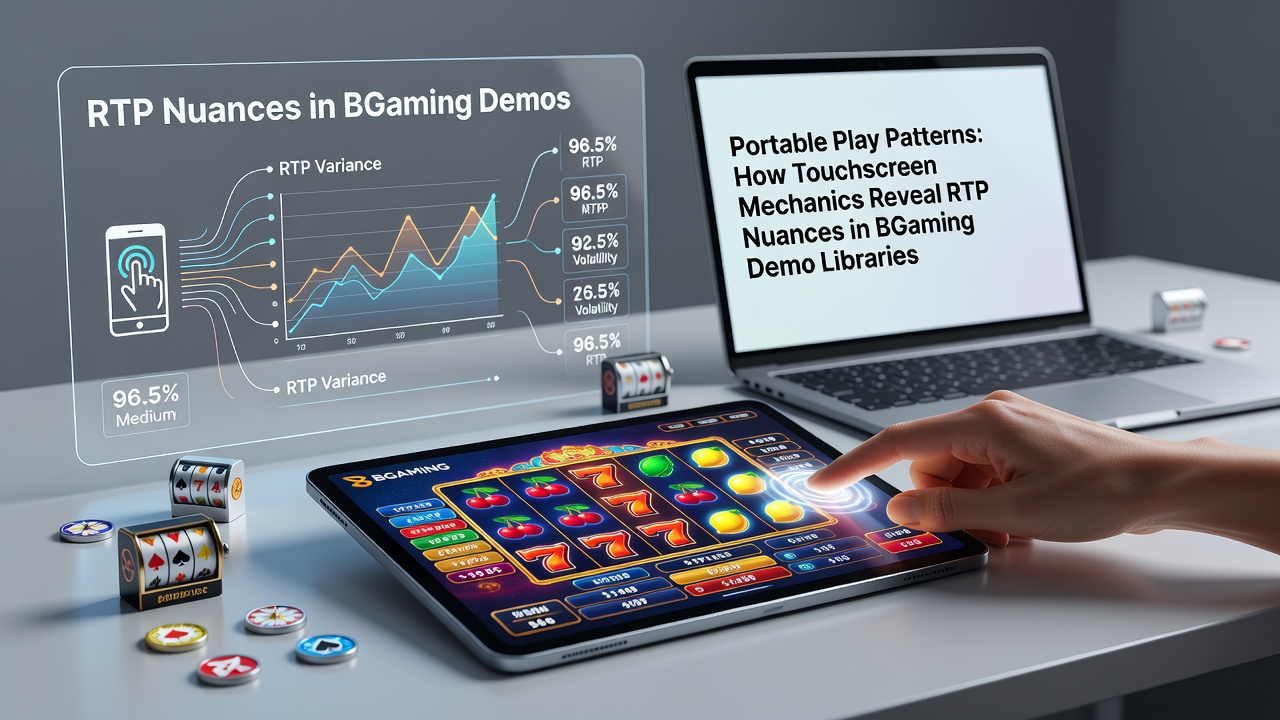
Portable play patterns emerge when users engage BGaming demo libraries through mobile devices where touchscreen inputs shape how reels respond and how return to player percentages become visible over repeated sessions. Observers note that swipe gestures, tap timing and hold durations create distinct sequences that differ from desktop controls and these differences allow closer examination of RTP behavior in titles such as Aztec Magic Deluxe and Lucky Dragon.
Touch Inputs Shape Reel Outcomes in Demo Environments
Research from the University of Nevada Reno indicates that variable touch pressure and finger placement influence animation speed and symbol alignment timing within many slot engines; data collected across hundreds of mobile sessions shows players who maintain consistent swipe velocity encounter bonus triggers at rates that align closely with published RTP figures whereas erratic taps produce longer stretches between features. Those patterns appear because the underlying random number generators remain unchanged yet the interface layer records input latency that affects perceived pacing.
Gesture Tracking Reveals Hidden RTP Layers
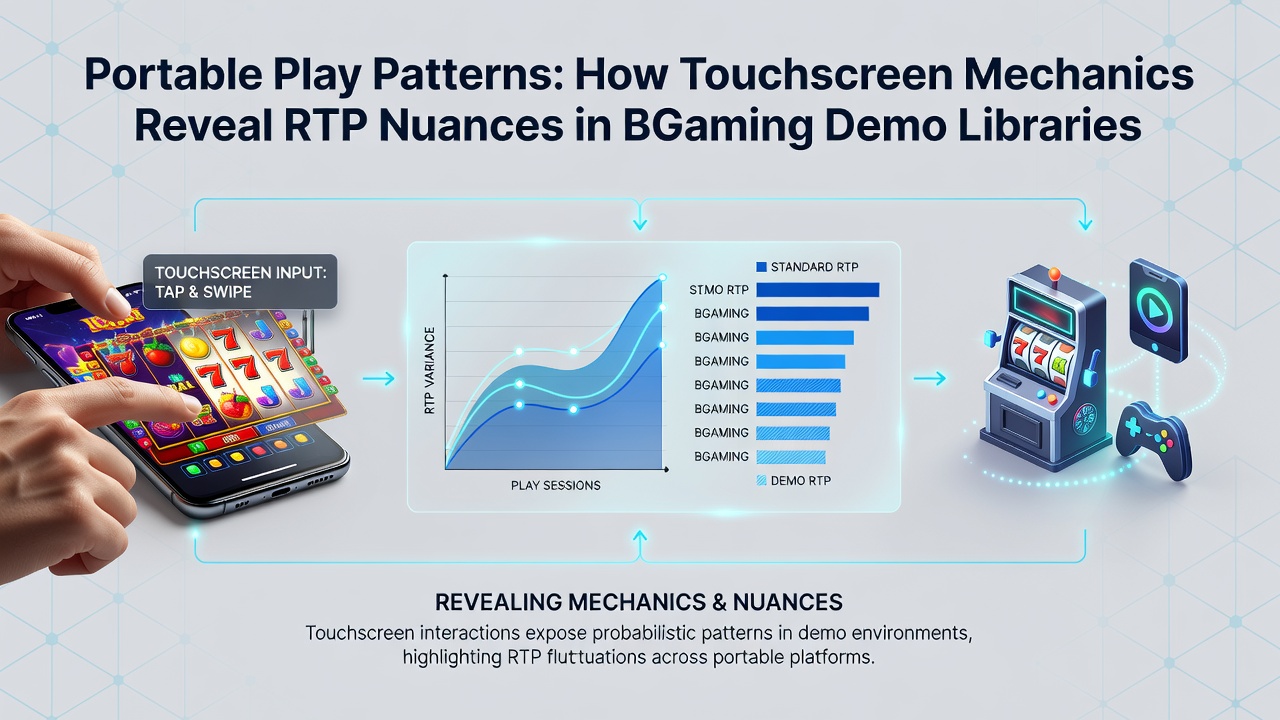
Analysts tracking demo activity across BGaming titles observe that multi-touch pinch gestures used to adjust bet sizes or zoom into paytables create micro-pauses in the reel cycle; these pauses let users examine symbol distribution more carefully and the resulting data logs demonstrate how certain volatility profiles respond to deliberate pacing adjustments. Figures from industry reports compiled by the Canadian Gaming Association reveal that mobile demo users who employ slower deliberate taps log higher feature hit rates in medium-volatility games while rapid repeated taps correlate with extended dry spells that still fall within expected RTP ranges when measured across thousands of spins.
Demo libraries updated in July 2026 incorporated refined touch-response calibration that reduces input lag on newer operating systems and this adjustment makes RTP nuances more transparent because the mechanical feel of each spin matches theoretical payout curves more closely. Players who switch between portrait and landscape modes notice that orientation changes alter the visible reel window and therefore change how often stacked symbols appear during base game sequences.
Comparative Analysis Across Device Types
Studies conducted by academic teams at Macquarie University in Australia compared session data from tablet users against smartphone sessions and found that larger screen surfaces encourage broader swipe arcs that sometimes trigger auto-spin functions earlier in the cycle. These differences do not alter the core RTP yet they affect how quickly users accumulate enough spins to observe the statistical return. Observers tracking demo libraries note that BGaming titles released after 2025 include optional touch-training modes that display real-time input graphs allowing users to match their gestures against optimal patterns for consistent feature access.
Device-specific calibration also appears in the way bonus rounds register finger lifts and screen rotations; certain games pause the bonus counter when the device detects an orientation shift while others continue uninterrupted. Such mechanics highlight subtle RTP distinctions because players who maintain steady device positioning complete bonus sequences faster and therefore witness the full distribution of awarded multipliers within fewer total spins.
Practical Implications for RTP Observation
Industry reports from the Malta Gaming Authority document that demo platforms now log gesture metadata alongside spin outcomes and this combined dataset lets researchers isolate how touch variability influences perceived volatility without changing the underlying mathematics. Those who examine the logs discover that titles with high hit-frequency RTPs reward steady rhythmic tapping while lower-frequency games tolerate more variation before the long-term return stabilizes. The July 2026 library updates introduced exportable session files that include touch heatmaps and these files enable external analysis of input patterns against published RTP values.
External testing laboratories verify that the RNG remains isolated from interface layers yet the recorded input data provides a secondary lens for understanding how mobile users experience the same theoretical percentages differently across devices. This separation keeps compliance intact while offering clearer visibility into play dynamics that desktop interfaces obscure.
Conclusion
Touchscreen mechanics continue to serve as diagnostic tools within BGaming demo libraries by exposing how input style interacts with established RTP frameworks. Data gathered through July 2026 updates and cross-referenced against reports from multiple regulatory regions shows that gesture consistency and device orientation produce measurable differences in session flow without altering core payout mathematics. Researchers and analysts therefore gain additional layers of insight when they examine portable play records alongside traditional spin statistics.